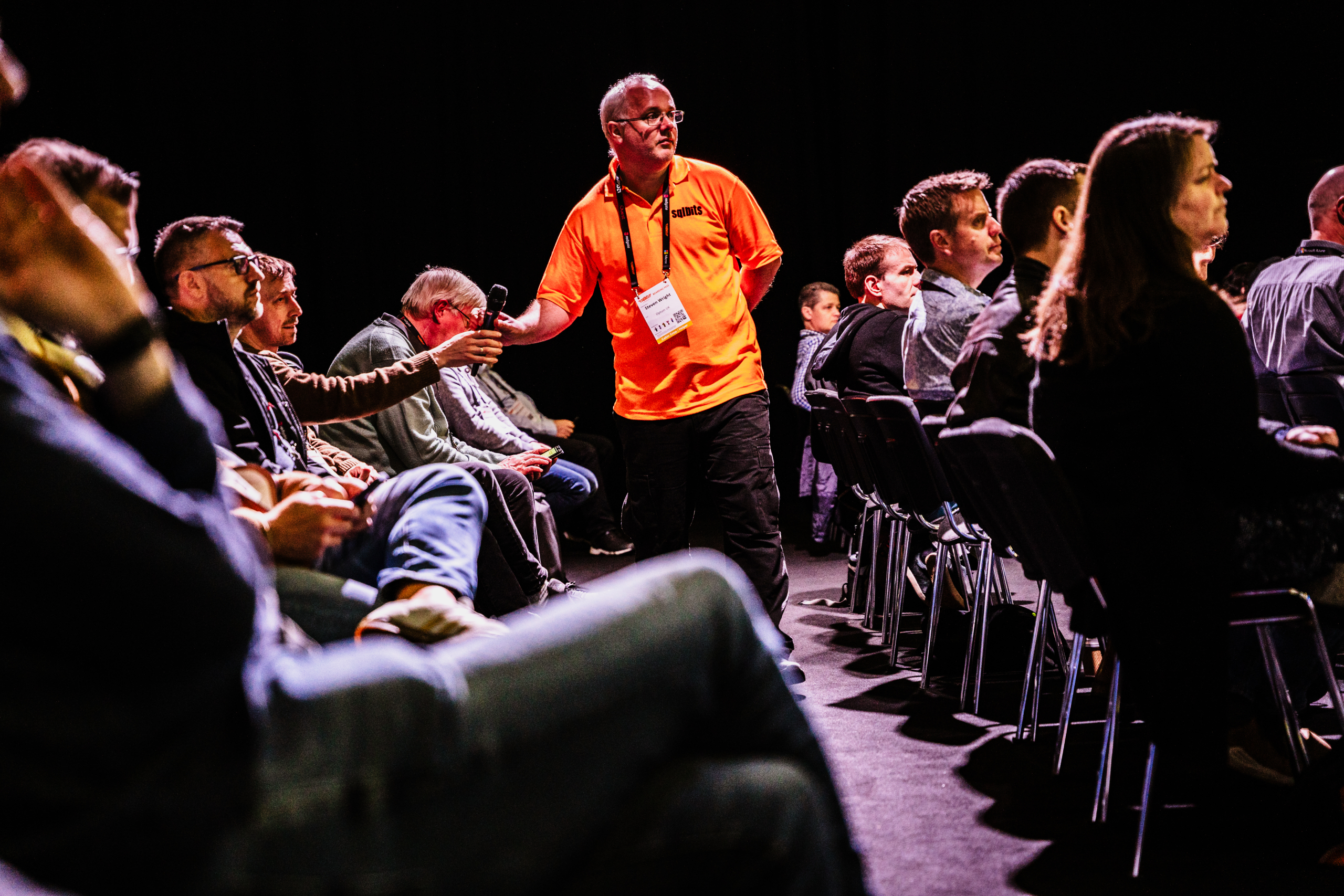
Why inclusive event design matters
Inclusive event design isn’t about adding special features. It’s about removing unnecessary barriers.
At SOMOS Collective, we design conferences for real people, not the mythical “average attendee”. Because there isn’t one.
Having delivered conferences for audiences ranging from a few hundred to several thousand delegates, we’ve learnt that the smallest changes often have the biggest impact on how welcome people feel. Some thrive in busy networking spaces. Others arrive alone. Some have dietary requirements. Some are neurodivergent. Some are parents balancing childcare. Some feel anxious walking into an unfamiliar venue full of strangers.
Our role as event consultants is to remove as many barriers as possible, allowing every attendee to focus on why they’re there: to learn, connect and enjoy the experience.
Here are some of the ways we’ve put that philosophy into practice.
Reducing anxiety before people arrive
The attendee experience starts long before registration opens.
We provide detailed FAQs, travel guidance, venue maps, menus, accessibility information, visual guides, and video walkthroughs so attendees know exactly what to expect before they leave home. A video walkthrough of the venue, for example, can show someone exactly where registration, breakout rooms and quiet spaces are, so the first time they see the building isn’t the day they have to navigate it under pressure.
For many people, reducing uncertainty dramatically reduces anxiety.
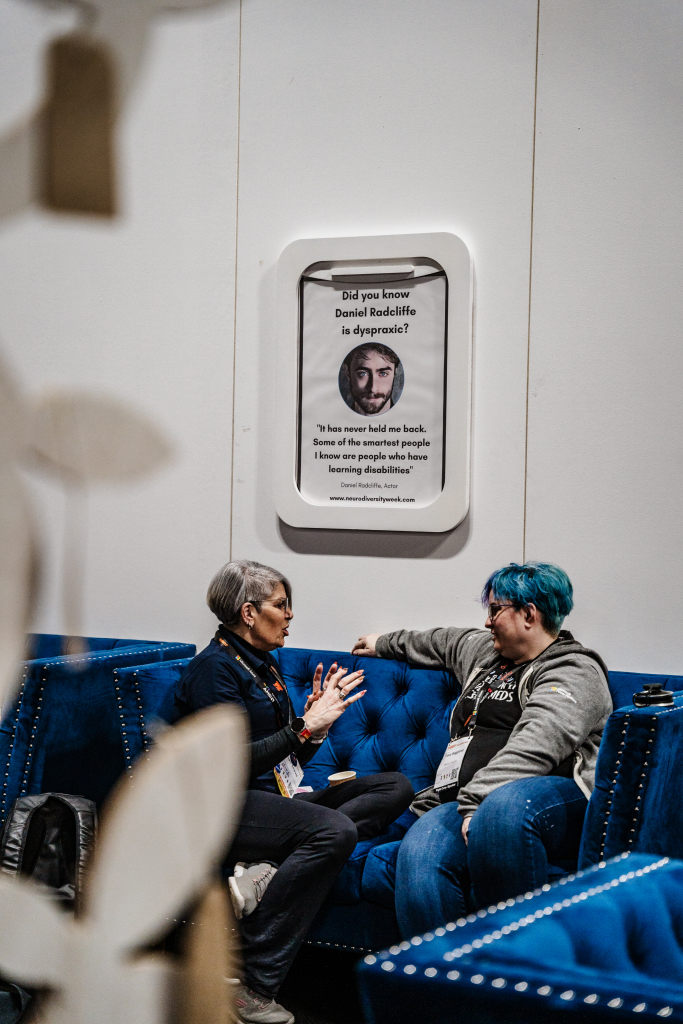
Making networking feel more natural
Networking shouldn’t feel like walking into a room full of strangers.
We create topic-based networking tables where attendees can join conversations around shared interests, making introductions feel far more natural.
For those who would prefer additional support, we also provide buddy systems and informal opportunities to meet organisers and speakers before the conference officially begins. Sometimes, a coffee before the conference or being paired with a returning delegate is enough to turn a daunting first hour into an enjoyable one.
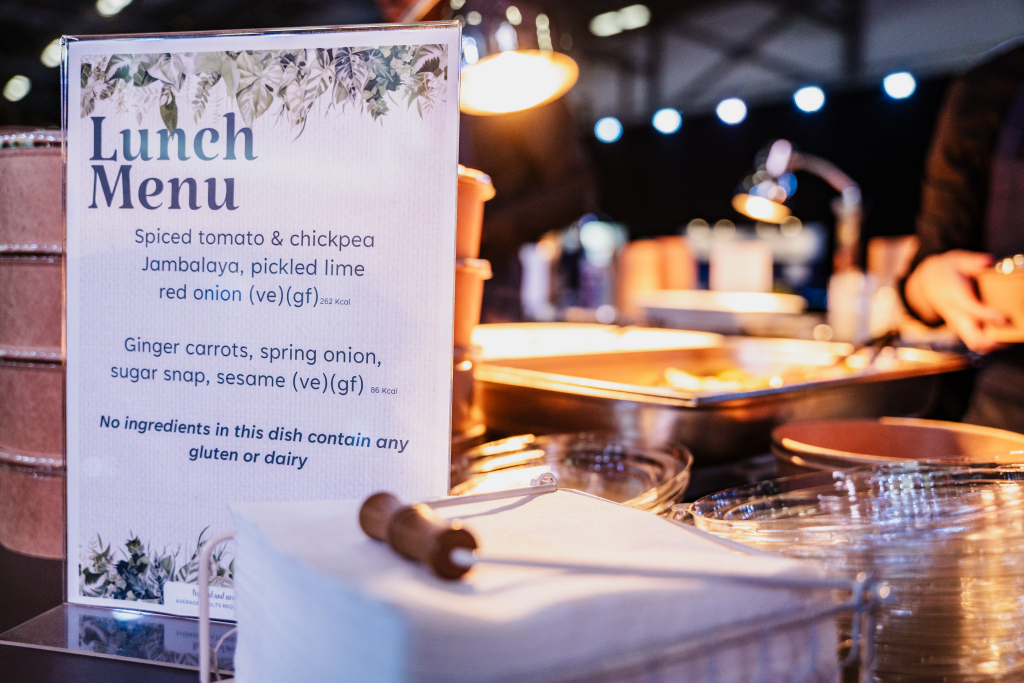
Designing food around people
Food plays a much bigger role in inclusion than many organisers realise.
We collect dietary requirements during registration so every attendee has suitable options throughout the event.
Every meal includes a vegan alternative as standard, while our refreshment breaks prioritise what we call brain fuel – fresh fruit, protein-rich snacks and lower-sugar options that help maintain energy and concentration throughout the day, rather than relying solely on cakes and pastries.
For attendees with sensory sensitivities, we also offer simple low-sensory food options, such as plain sandwiches without sauces, marinades, or strong flavours, allowing people to eat comfortably without unnecessary stress.
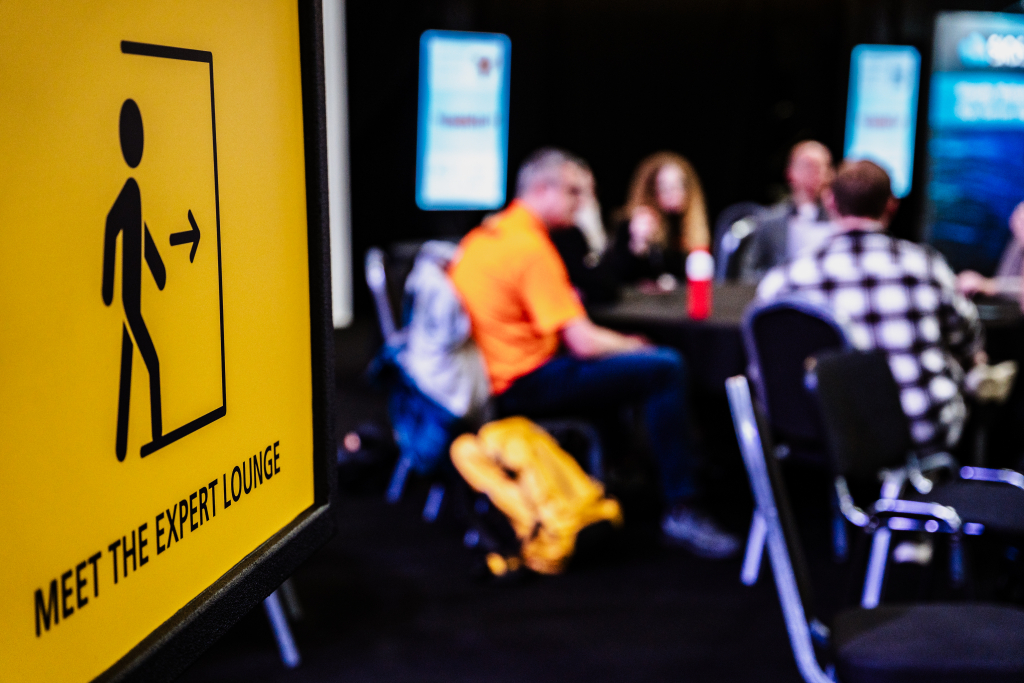
Giving people choices
Inclusion often comes down to giving people options.
Alongside tea and coffee, we provide soft drinks for those who prefer an alternative.
We regularly lay on complimentary shuttle coaches to remove the stress of travelling between transport hubs, hotels, and the venue.
Our conferences often include an onsite crèche; for some parents, that’s the difference between attending and not.
We also consider practical details such as clear signage, accessible fonts, gender-neutral facilities and seating layouts that allow attendees to choose quieter areas without feeling isolated.
These may seem like small decisions individually, but together they have a significant impact on how welcome people feel.

Supporting wellbeing
Sometimes the best support is simply knowing it’s there.
For larger events, we’ve provided access to onsite psychological support throughout the conference, ensuring attendees have somewhere to turn if they need a quiet conversation or additional help. It’s a discreet, low-key presence rather than a big, signposted service, but knowing it exists can be enough to help someone through a difficult moment.
Making conferences more accessible
We also recognise that financial barriers can prevent people from participating, so where appropriate we’ve introduced free community attendance days to widen access. These have opened the door to students, early-career professionals and community groups who might otherwise never have had the chance to attend.
Rethinking social events
Not everyone wants to network in the same way.
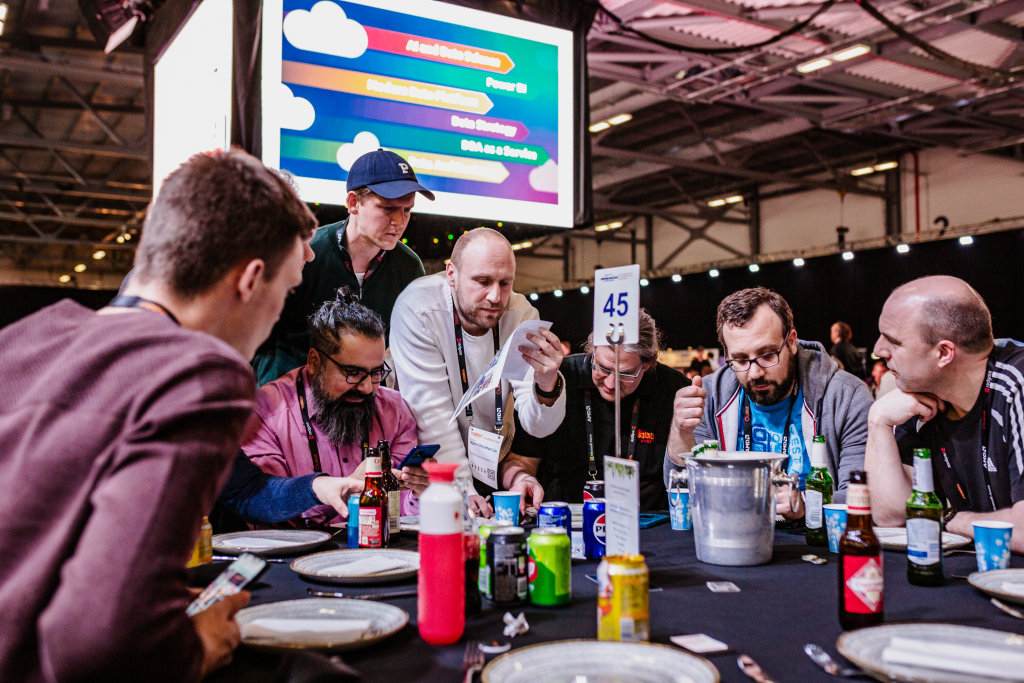
Rather than relying on a single evening party, we create a range of social experiences that appeal to different personalities and preferences, from informal board games and quiz nights to larger celebrations. Someone who finds a loud party draining can still spend the evening in genuine conversation over a board game, rather than choosing between forcing themselves to attend or missing out on the social side of the event entirely.
Giving people choice helps create more meaningful connections and a stronger sense of belonging.
Creating spaces where everyone can thrive
Inclusion isn’t only about what happens in the conference sessions. It’s also about creating environments where people feel comfortable enough to participate in the first place.
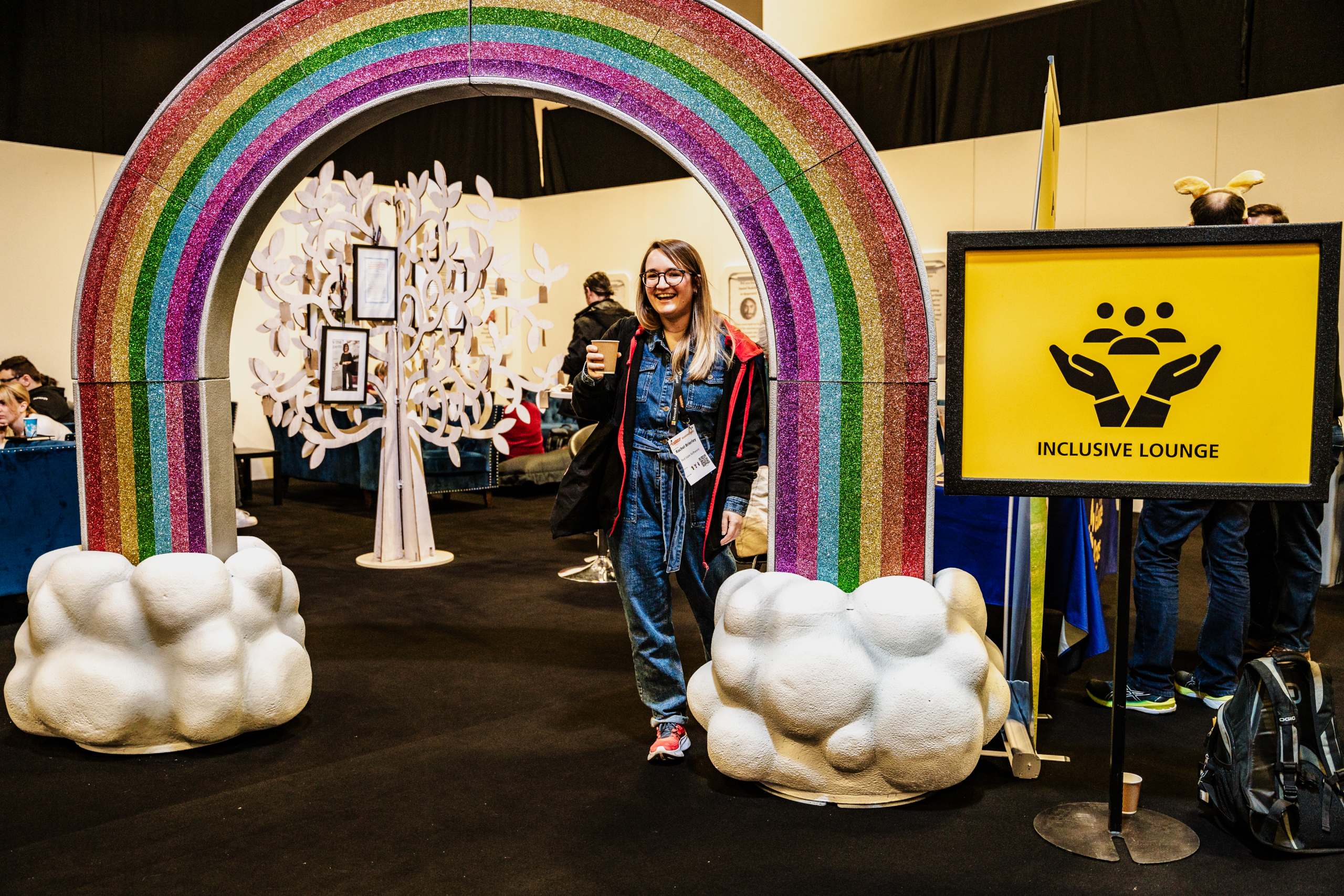
Where appropriate, we incorporate a range of thoughtful initiatives that support different needs and preferences. These can include dedicated quiet rooms for anyone needing a break from the pace of the event, low-sensory spaces with reduced noise and visual stimulation, and live captions to make presentations more accessible for attendees with hearing impairments or those who simply process information more effectively when they can read as well as listen.
Small details can make a big difference too. Larger first names on delegate badges help make introductions easier and reduce the awkwardness of networking. Pronoun stickers give attendees the option to share how they would like to be addressed, helping create a more respectful and welcoming environment. At larger events, wellbeing volunteers are also available to offer guidance, answer questions or simply provide a friendly face for anyone who needs support.
None of these initiatives are about drawing attention to difference. They’re about giving people more choice, more confidence and more ways to engage with the event in a way that feels right for them.
Continually improving inclusive event design
Inclusive events aren’t created from a checklist.
They’re built through listening, learning, and continually refining the attendee experience.
Our team has completed Neurodiversity First Responder training and works alongside dedicated DEI groups to review feedback and identify opportunities for improvement.
Because inclusion isn’t a feature you add at the end of planning.
It’s a mindset that shapes every decision from registration through to the closing session.
Better for everyone
Inclusive event design isn’t a checklist.
It’s a way of thinking that influences every decision throughout the attendee journey.
Many of the initiatives we introduced were originally designed to support specific groups of attendees. What surprised us was how much they improved the experience for everyone.
- Clearer information reduces uncertainty.
- Better food helps people stay focused.
- Choice creates confidence.
- Accessible transport removes unnecessary stress.
- Inclusive networking helps people build meaningful connections.
When conferences are designed around real people rather than assumptions, everybody benefits. And that’s exactly what inclusive event design should do.
Planning a conference? Get in touch
Whether you’re organising an internal conference, an association event or a large-scale technology conference, we’ll help you create an event that’s memorable, inclusive and designed around the people attending it.
Let’s start the conversation